← The Nomad Cook The Library · Updated Regularly

Field Notes

Short lessons from the curriculum and the road, published as they are written. This is the free layer of the discipline. For the full framework, enroll in the ACF certification. For the conversation, join the Network.

N.003

Terpenes do the pairing work

07.2026
A course pairing built on terpene profile

Most infused menus are built backwards: dish first, cannabis last. A professional menu starts with the terpene profile. Limonene leans citrus and bright, and belongs next to acid and seafood. Myrcene runs earthy and herbal, and sits naturally with roasted vegetables, mushrooms, and braises. Caryophyllene carries spice and pepper, and can anchor a course the way a finishing oil does.

When the terpene profile is chosen first, the pairing stops being a gimmick and becomes the same discipline as pairing wine: you are matching aromatic compounds to food, and the guest tastes intention instead of novelty.
N.002

Fat is the vehicle

07.2026
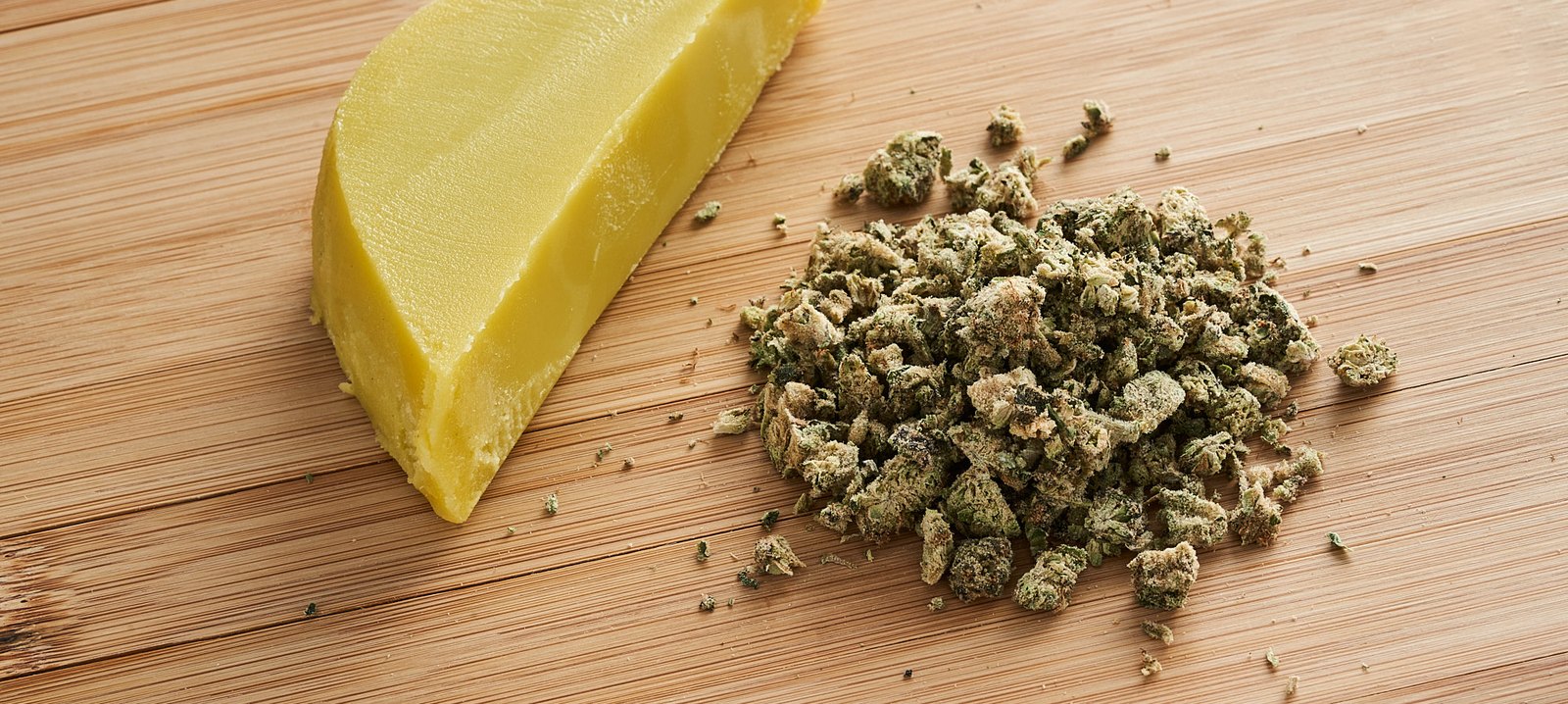
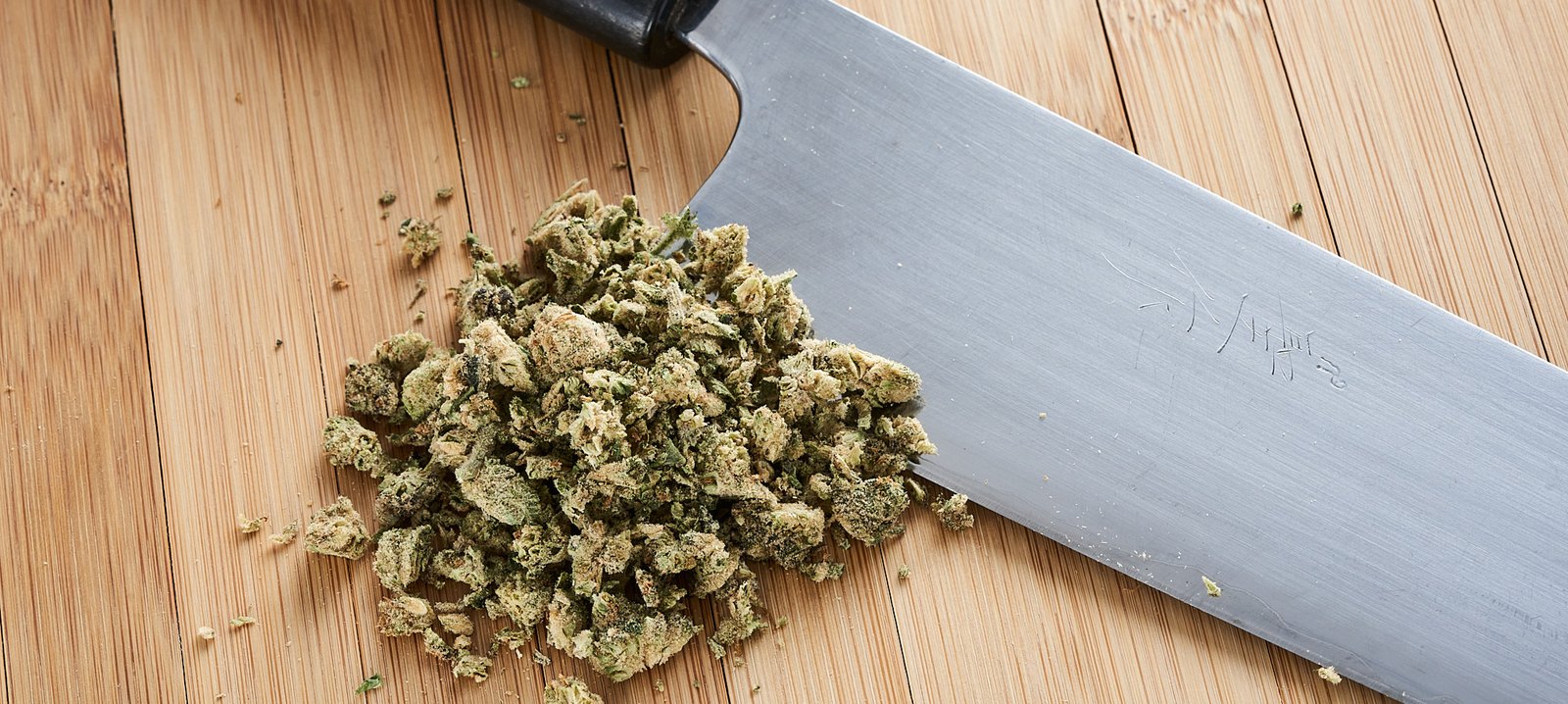
Infusion work in progress

Cannabinoids are fat soluble. The fat you choose for an extraction is not a neutral carrier: it determines potency retention, mouthfeel, and where in the menu the infusion can live. Higher saturated fat content binds cannabinoids more efficiently, which is why clarified butter and coconut oil remain workhorses, while delicate oils demand lower temperatures and more patience.

Choose the fat for the dish first, then build the extraction method around that fat's tolerance. A chef who understands the fat understands the dose.

N.001

To decarb, or not to decarb

06.2026
Extraction preparation

There is no right answer here, only a goal. You decarb when the goal is potency. You use the Cedeño Method when the goal is full spectrum.

Traditionally, the only question anyone asked about edibles was how to make the brownie hit harder. The answer was always heat: 240°F for forty minutes before the flower ever touched fat. That works, and it still works. But ask any gardener what happens when you cook greens too hard. The chlorophyll comes forward, the color turns from green to brown, and the flavor follows it. Extraction behaves the same way.

So match the method to the material. Low grade flower has little to offer beyond THC. Not many trichomes, low terpene percentage, nothing worth protecting. Decarb it, pull everything you can, and accept the trade. My rule of thumb is 200°F for the extraction itself. Anything above that and it turns bitter with chlorophyll. When the flower is worth preserving, skip the decarb and run the Cedeño Method instead: you give up potency, but you keep the terpenes and the character of the plant intact.

Either way, use a sous vide rather than an oven. We want full control over the time, the temperature, and the environment the extraction is made in.

Want the full discipline?

The ACF Certification